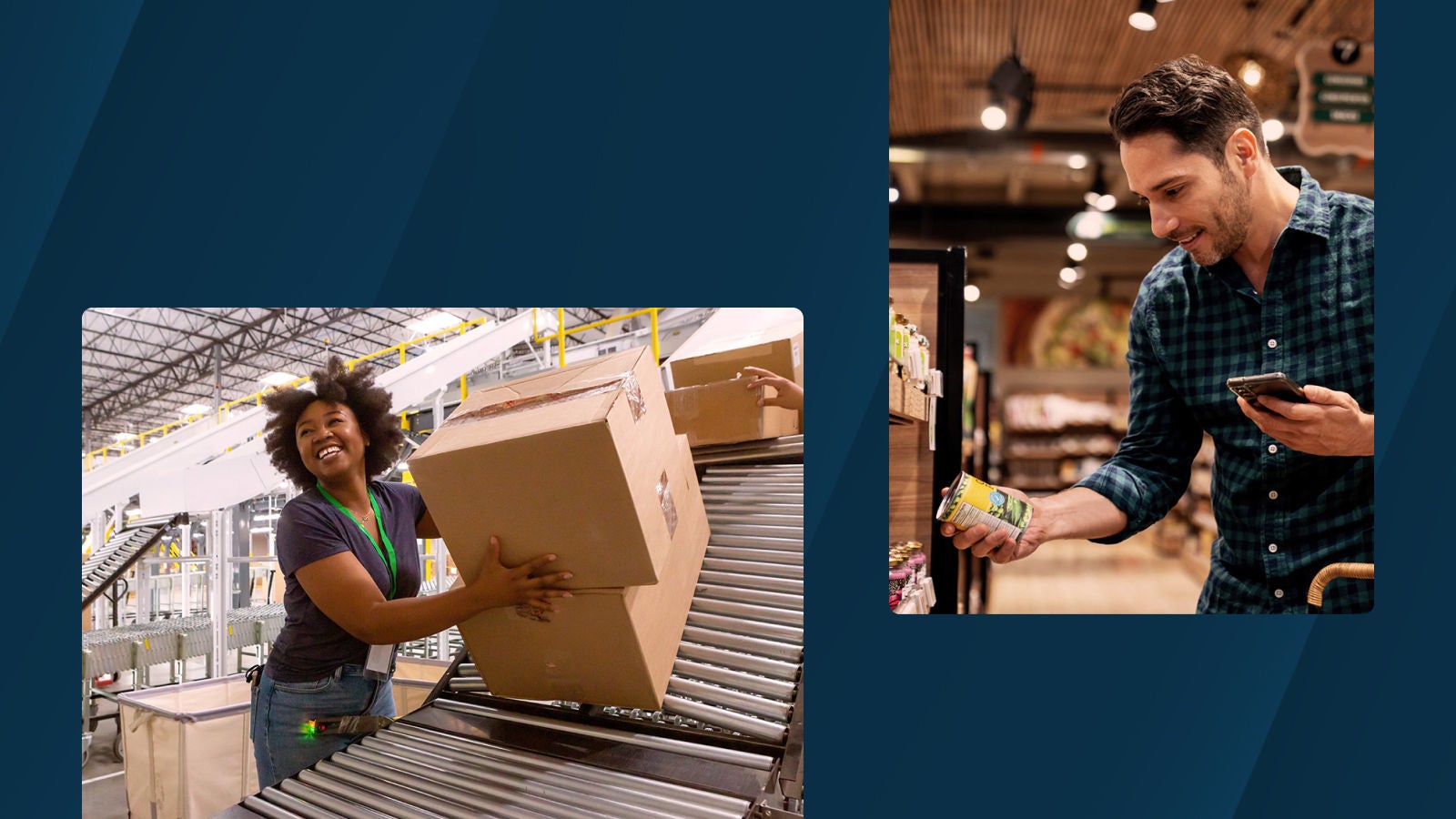
The retail world is buzzing with the promise of real-time demand sensing. With headlines announcing traditional retailers like John Lewis and Macy’s investing in AI-enabled shopping and the steady growth of viral platforms like TikTok Shop, the message seems clear: capture every social media trend, every fleeting customer desire, and every new demand signal the moment it appears.
But what if this frantic race to react to...well, everything, is a trap?
While the allure of up-to-the-minute data is powerful, it often creates more noise than signal. The reality for many retailers is that chasing every micro trend can lead to chaotic — and ultimately unprofitable — decisions.
Identifying a viral moment is only useful if your supply network has time to react. If you can predict a major shift six months out, chances are high you can act. But if you’re only identifying a trend that will peak next week when your supply chain lead times are measured in months, you’re left with stale inventory piled up in showroom back offices.
The pursuit of more data, for data’s sake, is a distraction. True competitive advantage doesn’t come from having the most inputs; it comes from having the wisdom to focus on what matters.
Separating “always-on sensing” from “strategic action”
Let’s be clear: sensing the market should be an always-on activity. Investing in access to third-party trend data or building a presence on platforms like TikTok to gather firsthand signals is a crucial part of staying relevant. Continuous sensing is how you build a rich pool of opportunity.
However, sensing is not the same as acting. Strategic action — making the high-stakes decisions to shift inventory, leverage open-to-buy, or launch a promotion — must happen on a different timescale. It should be reserved for when the potential impact is highest and the trade-offs are acceptable.
The critical intermediary between the constant temptation of trend-chasing and the moments of decisive action is an AI system. No human team, no matter how skilled, can process a ceaseless stream of market signals, weigh them against your company's strategic goals, and calculate the complex trade-offs at scale. We need help filtering the noise.
What makes AI truly retail-specific?
This is where AI built for retail’s reality — not layered on top — is so critical. It’s not just a set of algorithms; it's an end-to-end forecasting and decisioning system designed with a deep understanding of your business, including when trend chasing is optimal.
Retail-specific AI can:
- Infer true demand: It’s trained to differentiate between a product having “no demand” and being “out of stock.” This prevents it from learning that a popular, sold-out item is undesirable, a common flaw in simpler models.
- Handle cold starts: It has built-in capabilities to forecast demand for new products without sales history by identifying comparable items.
- Manage data sparsity: It can generate reliable forecasts, even for products or locations with very little data, by learning from broader patterns at the category, brand, or regional level.
- Separate signal from noise: It uses a “tower” design to process strong, reliable signals (like historical sales) and weak, volatile signals (like social media trends) separately, so the noise from weak signals doesn’t dilute the accuracy of the core forecast.
- Embrace variance: Its underlying mathematics and loss functions are purpose-built for the spiky, high-variance data common in retail, unlike generic models that perform best on smooth, predictable data.
- Generate realistic recommendations: Its outputs aren’t just numbers; they are actionable recommendations constrained by business reality, such as lead times, budget limits, and inventory capacity.
The smart way to use new signals
An AI-driven solution with this level of retail intelligence knows that not all signals demand a five-alarm response. It understands that a localized spike in social media mentions for a particular style might not warrant a costly, cross-network supply chain reaction.
Instead, it can identify a more surgical, profitable response. This is the smart way to use new signals. Rather than triggering a panic, the AI can surface a logical recommendation with clear expected outcomes:
- Subtly shift available inventory to a store or distribution center where a local trend is gaining traction, capturing the opportunity without disrupting the entire supply plan
- Sync marketing spend and promotional activities with real-time inventory availability, ensuring you capitalize on demand without making promises you can't keep
The goal is to use these signals as a scalpel, not a sledgehammer. The winning strategy will not be about signal quantity, but signal quality — and the systemic intelligence to translate that quality into a stronger financial future.