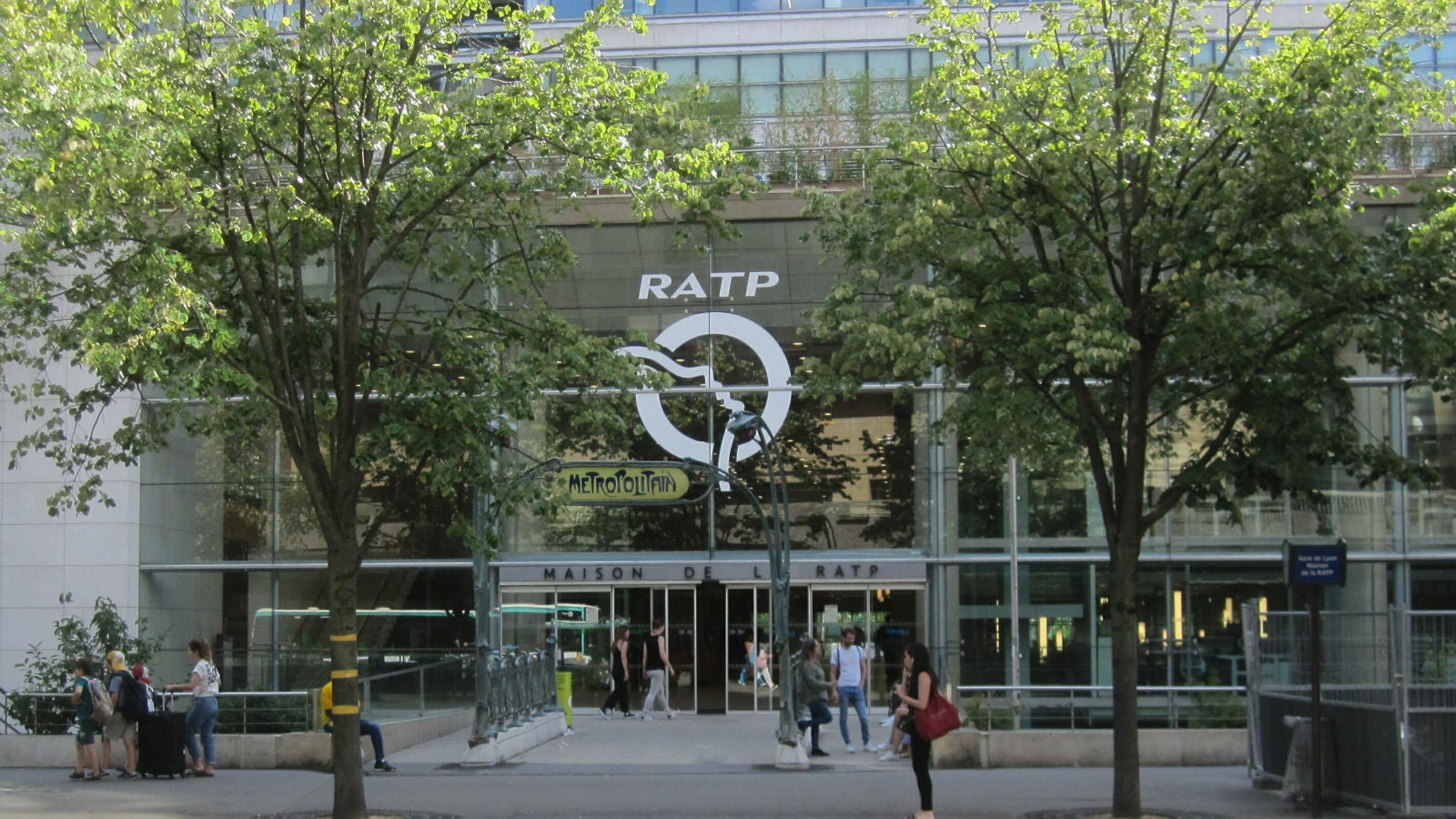


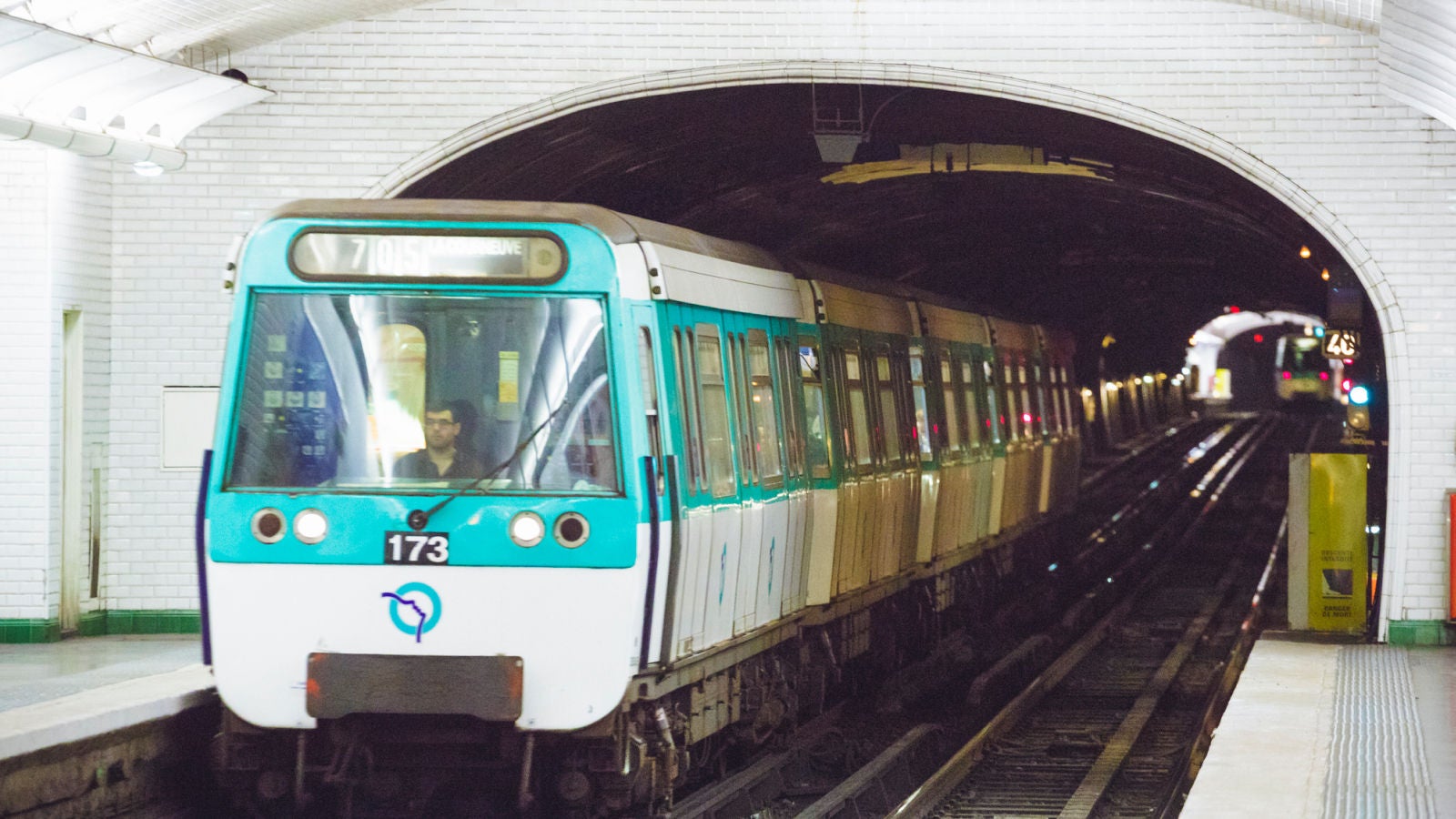
Slim Boulanouar, RATP: RATP is one of the world leaders in urban transport, historically based in the Ile-de-France region, but for several years it has been expanding abroad and through its subsidiaries.
Before Anaplan, our business faced several difficulties. For example, in the customer-supplier relationship, we mainly worked with [spreadsheets] that were shared on [Microsoft] Teams, with problems transmitting information during the budget exercise.
We were on an obsolete tool, and the calculation rules had to be launched by project management assistants, who accounted for accruals. It was very difficult to do given the technological challenges we had.
Anaplan is used by different departments within RATP. First of all, the surface network department, which represents the bus and tramway, started with Anaplan for planning in several areas, notably its workforce planning, and also to prepare for accruals. The human resources department also uses Anaplan, notably for scenario planning of payroll costs. The entire [RATP] finance function uses Anaplan for the budget process.
We have also automated the internal customer-supplier relationship, that is to say, a whole chain of information flow. And the idea is that everyone can bill their products and services to different departments. And we have automated accounting entries onto our ERP, which previously took a lot of time. The finance function, thanks to Anaplan, has figures that are shared and known by everyone.
We have also gained efficiency in the management process since it is now automated. Recalculations on price assumptions are done on the fly, whereas before we needed to apply business rules.
Anaplan has allowed us to standardize reporting and the way finance communicates with management.
I am Slim Boulanouar, Delivery Lead at RATP, and we plan with Anaplan.