Episode 4 15:40 min
How a financial transformation leader reimagined Gap and CVS Health
-
Hosted by:
-
Share
Episode summary
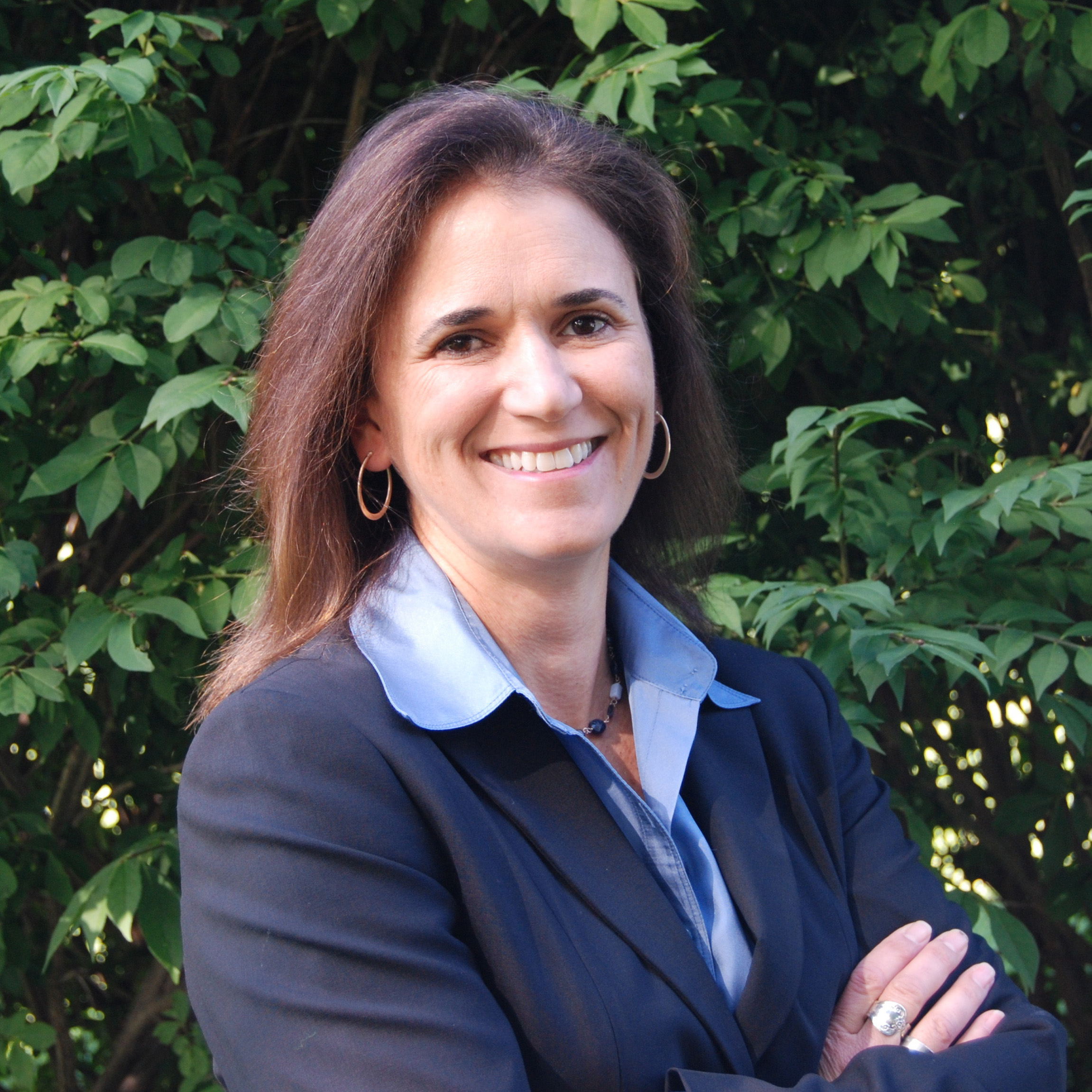
What does it take to create lasting financial change? Kim Castro, a recently retired financial transformation leader with experience at Gap and CVS Health, shares how she fostered a more efficient and impactful financial organization at both companies. She explains how to set the strategic tone for a transformation, navigate change management within reluctant financial teams, bring key stakeholders in, and develop a culture that leans into one another’s unique work styles.
Listen to learn
- [03:11] How to set the strategic tone of a financial transformation
- [06:11] The milestones that signal a transformation is paying off
- [09:32] Navigating change management through personality analysis
About the guest
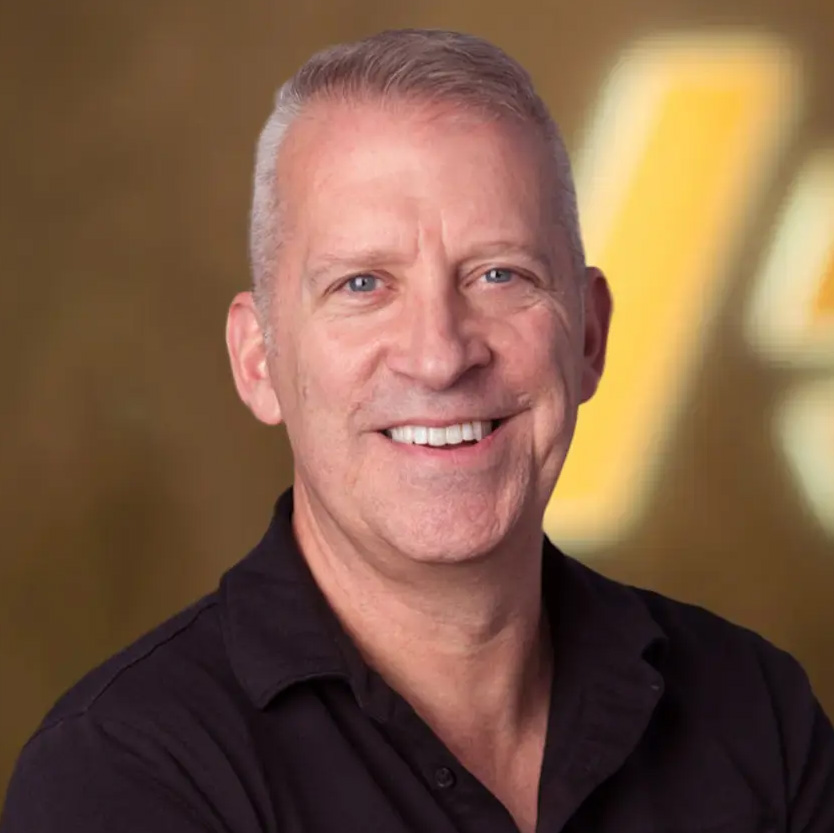
[00:00:11] Jim Freeze: Welcome to Right Decisions, Right Now, where we explore the choices that define a leader's career. I'm Jim Freeze, Chief Marketing Officer at Anaplan, the only AI-driven scenario planning and analysis platform designed to optimize decision making in today's complex business environment. In each episode, we unpack a pivotal decision. What drove it, what impact it had, and the human story behind it. You'll hear from leaders at companies like Gap, Zevia, Citi, and more, sharing details about impactful decisions, bold breakthroughs, tough calls under pressure, and the moments that shaped their careers and their companies.
[00:00:51] Jim Freeze: Today, we're joined by Kim Castro, financial transformation leader who spent three decades radically overhauling corporate finance at companies like Gap and CVS Health. We'll talk about what it takes to drive lasting company wide change, the impactful results that defined her career, and the lessons she's passing on ahead of her well earned retirement. Kim, welcome to the show.
[00:01:13] Kim Castro: Thanks, Jim. Glad to be here.
[00:01:15] Jim Freeze: Thrilled to have you. So to start, let's lay some groundwork. When we talk about financial transformation, what exactly does that mean? How does it differ from maybe an implementation of a financial system or a process upgrade, or even a cost initiative?
[00:01:30] Kim Castro: It definitely depends on the organization. I don't think it's a one shot deal for everybody. I think what differentiates it from just a system implementation is more so it's more holistic in all likelihood aligning with the overall organization and where the overall organization sees itself down the road, and how does the role of finance play into that, and what is the role of finance in the future. And so, it's more about process, technology, people, change management all the things that require a true change in not just a system, but a culture and more efficient processes.
[00:02:02] Jim Freeze: Yeah, much more comprehensive then.
[00:02:04] Kim Castro: Yeah.
[00:02:05] Jim Freeze: So let's pivot and talk about your experience at Gap. You joined Gap as the head of financial transformation right after the pandemic, I believe. What were the circumstances that drove Gap's need for a financial transformation? What indicated to Gap that it was ready for a major transformation, but more importantly, it was committed to it?
[00:02:22] Kim Castro: You know, anything you read in the press, Gap's time that I was there in four years and even the two years preceding that, multiple CEOs, multiple visions, and at the time that I joined, as you said, just coming out of the pandemic, so 2021, and the overall organization was looking at transformation, and what was the future of Gap and their brands, and what did all that mean? And finance was a key element of that in the minds of the executive team. And so, it was what is the role of finance in the future of Gap, and what was finance going to drive in terms of, so the CFO's vision of what role do we play? We started with a blank sheet of paper and went from there.
[00:03:02] Jim Freeze: From a blank sheet. That's fantastic. So once you accepted the role, what was the first decision you made to establish, for lack of a better term, strategic tone for success?
[00:03:11] Kim Castro: My experience was it's not successful if there's not buy-in from the top. The top of finance and the top of the organization supporting what finance was trying to drive if you want true transformation. You don't need your executive team necessarily involved if you're just putting in a new system, but if you're really going to try to change the way finance interacts with the other elements of the business and how you get the work of the work done, you definitely need alignment. And so, right out of the gate, we brought the whole team together, the top 25 people and not just finance our key partners in HR, our key partners in our technology space, and our culture and learning space and brought them together. We went through a series of labs and aligned on what were the challenges we had, where did we want to go, and built a roadmap to get there. And so I think that was a key decision on making sure that everybody was aligned on where we were going and there really was no opting out.
[00:04:02] Jim Freeze: No opting out and support from the top.
[00:04:05] Kim Castro: 100%. Yep. And funding because it's not free.
[00:04:09] Jim Freeze: So obviously Gap wasn't your first time to the rodeo, so to speak. You led a financial transformation at CVS Health following Aetna's acquisition. My guess is it was maybe a fundamentally different challenge. Can you tell us a little bit about that experience and what you learned from it?
[00:04:24] Kim Castro: Yeah, it was, like I said, a very different transformation for CVS than it was for Gap. CVS was coming out of the Aetna acquisition, very large acquisition as you probably are well aware. And it increased the size of the finance organization by I think approximately a third. And so it was, what does that finance organization look like in the future? And at the time, CVS had already well into SAP S4HANA implementation and Aetna was on Oracle. And so, that was a big part of it was not just a system implementation, but a mindset shift.
[00:05:00] Jim Freeze: Yeah, it's oil and water, just listening to you talk about this.
[00:05:04] Kim Castro: Yeah, I mean, that's the totally different ballgame. And you had two pieces of it. You had at first the integration, which we went through for a year or so, and that's painful. You're reducing staff, you're changing roles, you're deciding who the leaders are going to be. And then it was a transformation.
[00:05:21] Kim Castro: And I jumped into the transformation lead on the finance side, the staffing size of 5,500 finance people in a very large organization, and how do you bring that together? So it wasn't so much a roadmap of what does finance of the future look like, it was how do you integrate and then transform the way all of this works so that it's much more efficient than a conglomerate, because CVS was not managed that way, much more managed as an enterprise.
[00:05:47] Jim Freeze: Interesting. So these kinds of transformation projects take a long time. When you're leading a multi year project, success doesn't come that quickly, but teams want to know they're on track, right? They want to know they're making progress. What are some KPIs that you watch? Maybe even share an example of a milestone or a metric on a project you were working on where it signals to you, yes, this is really starting to work.
[00:06:10] Kim Castro: Yeah, it is such a key point, right? When you're bringing a large organization on a journey and, you know, people gravitate to where they're comfortable. Change doesn't come easy, especially for finance people. And you've got to celebrate those wins and people have to feel like, "Oh, we're accomplishing something." You know, the old way of putting in technology, right, is you build everything, build everything, build everything, and then this big bang theory where you go live versus the more agile approach. So I think you have to be careful of what you measure.
[00:06:38] Kim Castro: I think you could overanalyze and you could get too caught up in the analytics, so I think you've to be very clear pick two or three KPIs that really may indicate to you adoption. In the case of an Anaplan type platform, I would say, you know, what is the adoption of drivers versus manually manipulating the data? That was a key indicator of how much adoption we were getting with the new platform and the new way of working. But overall, I think building that roadmap and having everybody aligned to it with very key milestones, so we broke that up into separate charters and with deadlines on those charters and when did you get through each stage so that people could see, "Okay, I'm through this stage, but here's still the overall goal and this is where I'm going." I think if you're just throwing things against the wall or it's perceived you're throwing things against the wall just to get things done but people don't know really where it's leading, that's where I think you lose people.
[00:07:31] Kim Castro: And I think it can't just be finance. Then we go back to the first question, how does that roadmap fit into the overall organization? You just can't go do it on your own for finance, in my opinion. I think it's got to align with the overall strategy of the company.
[00:07:45] Jim Freeze: Yeah, it's an interesting point because if it doesn't align to the overall strategy, I mean, in essence, can it just be seen as cost reduction?
[00:07:52] Kim Castro: I think you run that risk. And if it is cost reduction, I think you need to call that out, right? You need to say it right out of the gate because you will lose people. They understand, and they're going to go in thinking right out of the gate, you're just trying to reduce costs, especially with the oncoming AI. I think there's just an underlying fear, especially in finance. Are we all going to be replaced by agents and bots? And I think you got to just call it what it is. And I think that I learned that lesson early on in my career prior to CVS is that the more you share and the more you're honest, the more people are going to believe in what you're trying to achieve.
[00:08:24] Jim Freeze: Yeah. And they trust you then too, right? They can believe what you're saying.
[00:08:27] Kim Castro: Yeah. Right.
[00:08:28] Jim Freeze: So change management, you've kind of touched on this a bit, is arguably the hardest part of any transformation. It's hard to get buy-in, especially for people who are resistant to change, which it's human nature, right? It's not uncommon. So based on your experience, what was the most impactful, specific tactic you used, either at Gap or CVS or somewhere else, to get folks on board and reduce their apprehension and ultimately get buy-in?
[00:08:51] Kim Castro: There's a couple of things. At both Gap and CVS, and it's a lesson I learned prior to CVS, but I saw it deployed well at both organizations, was that at the onset of deciding to do transformation, bringing the leaders into the conversation and aligning on what is that roadmap.
[00:09:08] Jim Freeze: Sure.
[00:09:09] Kim Castro: Now, maybe everybody didn't agree, but you had a chance to express your voice and say what you thought it was. And we used a facilitator, a professional facilitator, to go through those conversations because right from that gate people couldn't say, "Well, this wasn't mine. It was the CFO's idea, and I'm just going along for the ride." So I think that's part of setting the foundation of the change. Another element, a real tactical one, that we used at both places actually was understanding the personalities of not just the leaders, but maybe a broader segment of the organization of what is their personality style?
[00:09:44] Kim Castro: Are they resistant to change? Are they more of a pioneer that's willing to take those chances? As you may imagine in the finance organization, we have a few more guardians than we do pioneers. But understanding what those personality traits were and bringing people into the conversation so they could understand their style versus others, and maybe where their challenges were going to be on this journey, putting those pioneers and the early adopters as leaders of change, in those ambassador roles, and having them help to bring other people along.
[00:10:17] Jim Freeze: That's really interesting. It often does just come down to the right people in the right role, doesn't it?
[00:10:21] Kim Castro: In my opinion, the success of your transformation is going to be 100% dependent on the people that you have, the leaders that you have, even more importantly, and the culture and climate that you create around that transformation holistically, not just in the finance organization.
[00:10:36] Jim Freeze: As you talk about that, the reality is it's not just for transformation, it's for pretty much execution in general. Right people in the right roles really matter.
[00:10:44] Kim Castro: Yep. And you have to be willing to make those hard decisions when they're not the right people.
[00:10:48] Jim Freeze: Yeah, exactly. So let's transition to another decision that those of us who've had thirty plus year careers have had to contemplate at some point. You know, after a successful thirty year journey in Fortune 200 finance roles, you recently decided to retire. That's kind of a transformation in its own. How did you know the time was right? And I'm really interested in this one personally.
[00:11:13] Kim Castro: Yeah, I don't know that we ever know 100% that the time is right. I certainly felt like it was the right time for me to leave the world of the Fortune two hundred. It was a decision that I had made very early on in my career, believe it or not. I score very high on the planning side of the personality assessment. It was really, I was at Textron prior to CVS, and a lot of the leaders there were very, you know, I was in the finance segment and they were very focused on retiring at 55.
[00:11:42] Kim Castro: And I was like, you know, I like that. Thirty years, thirty three years, that seems like from that point you should be financially stable enough to do other things maybe. And maybe it's volunteer work or golf, hopefully in my case. I married an accountant, so we're both pretty financially conservative and went in at the age of 23 with the goal of retiring at 55 and financially tried to manage my life that way to achieve that. And as I went along, it became more real and I was more excited about doing it. I didn't back off of it. And that was it. I turned 55 this past March and retired in October.
[00:12:18] Jim Freeze: That's pretty impressive that you made that plan in your twenties and you actually executed on it right on time.
[00:12:24] Kim Castro: Yeah, you know, some of those things you're fortunate. Corporate America is a tough place to work, but it can be very rewarding financially and professionally. And I was very fortunate to have the leaders that I worked for and the opportunities that I had and the people that mentored me and brought me on the journey.
[00:12:42] Jim Freeze: Well, you're a better planner than I am because I'm past 55 and I'm still working, but hopefully not too far behind you.
[00:12:47] Kim Castro: Yeah.
[00:12:48] Jim Freeze: As you reflect on your career, what's the most powerful lesson you've learned about decision making during really intense, important moments?
[00:12:57] Kim Castro: One of the things that I've seen leaders do that inhibit the ability, and this is under the lens of transformation and driving change and as a leader of a big organization with shareholders that you're accountable to, executives are afraid, I think at times, or hesitant, to walk away from a sunk cost. You made a decision, you went down this path, and you may have spent millions of dollars on trying to implement a new technology, a new process, a new initiative. The 'learn fast, fail quickly', it doesn't always play out that way. Once you're emotionally attached to that decision and the investment that you made and wanting it to pay out, I've seen a lot of money get thrown after something that it shouldn't have. They didn't cut bait.
[00:13:39] Kim Castro: And I think that that's one of the things in corporate America that you really have to be willing to cut bait sooner than we anticipate. And sometimes I think you need somebody from the outside that's willing to tell you that. I don't always think we get that feedback from our partners, but that's one of the things that I see inhibit the most of being able to get that transformation to a good place quickly.
[00:14:01] Jim Freeze: Yeah, it's something as a marketing person I relate to because not everything we try in marketing works and continuing to double down on something that doesn't work. Sometimes you just got to admit it didn't work and you pivot, you move on. And I think that's really good advice for leaders. Sometimes you just have to decide to make a change and it didn't work, right?
[00:14:19] Kim Castro: Yeah. Some of it too is you have to admit if your organization isn't ready. If your processes are so embedded and so ingrained that you were not able to change them enough to truly take advantage of a new technology or a new way of working, you have to admit you can't get there. You know, sometimes you just have to start over. I've seen more than a few times where the wrong decision was made and you lose your people. And then the people that were naysayers all along see, I told you so.
[00:14:45] Jim Freeze: Yeah, was going to say because they know, right? And they're looking for a reason to pile on.
[00:14:49] Kim Castro: Oh yeah. They love nothing more.
[00:14:53] Jim Freeze: Kim, thank you so much for joining us. We really appreciate you taking the time to share your story and your insights. And please enjoy golf and your retirement.
[00:15:03] Kim Castro: Thank you so much. It was my pleasure.
[00:15:09] Jim Freeze: Thanks for listening to Right Decisions, Right Now. If you've enjoyed today's conversation, follow the show so you don't miss our next deep dive into the decisions that make or break great leaders. For more insights on decision excellence and its impact on the financial performance of leading organizations, visit anaplan.com. I'm Jim Freeze. See you next time.
Start making the right decisions — right now
Hear from business leaders on the decisions that define them.