Key takeaways:
Enterprise technology expenditure is undergoing a fundamental transformation. Driven by the rapid adoption of artificial intelligence (AI) and advanced security protocols, organizational tech budgets are expanding at an unprecedented rate. Compounding this challenge is a structural shift in vendor billing: the transition from predictable, fixed-license agreements to highly variable, consumption-based pricing models. With the right strategy, your leadership team can protect operating margins and ensure cost predictability without hindering the innovation required to remain competitive.
Solving this challenge requires a fundamental shift in how your team tracks, evaluates, and collaborates on technology investments.
The friction between finance and IT
A primary driver of inflated technology budgets is the operational divide between financial leaders, workforce leaders, and technology buyers. In many enterprises, the chief financial officer (CFO), workforce planners, and the chief information officer (CIO) operate using entirely different sets of data and distinct performance metrics.
Without a shared framework, your department heads risk creating a fragmented digital environment. Individual departments often procure their own specialized AI tools or cloud environments in isolation. By allowing this siloed approach to persist, organizations face redundant vendor contracts, overlapping functionalities, and a lack of centralized return on investment (ROI) accountability.
Establishing a unified financial taxonomy
To overcome siloed budgeting, your organization must replace isolated spreadsheets with a universally understood framework. By breaking down IT investments into granular components, your finance and IT teams can track exactly where capital is flowing, evaluate the true cost of consumption-based billing, and mandate strict ROI reporting.
Gaining proactive control over this volatile landscape requires purpose-built technology capable of matching the complexity of modern enterprise architecture. With the Anaplan Software Spend Optimization application, your business unifies this crucial data into a single, undisputed source of truth. Your procurement and IT teams gain the immediate visibility needed to combat SaaS sprawl, consolidate vendors, and transform upcoming renewal alerts into data-backed negotiation leverage. Dynamic "what-if" scenarios allow your team to test the financial impact of adjusting spend, securing a definitive competitive advantage against credit-based consumption models.
Connecting tech spend to the financial plan
Technology decisions rarely sit neatly on one budget line. Something like a new AI tool can affect a range of areas such as your operating expenses, capital allocation, hiring plans, and future margin expectations. That’s why finance teams need more visibility into spend. The ability to model how technology decisions dynamically shape financial outcomes across the entire P&L.
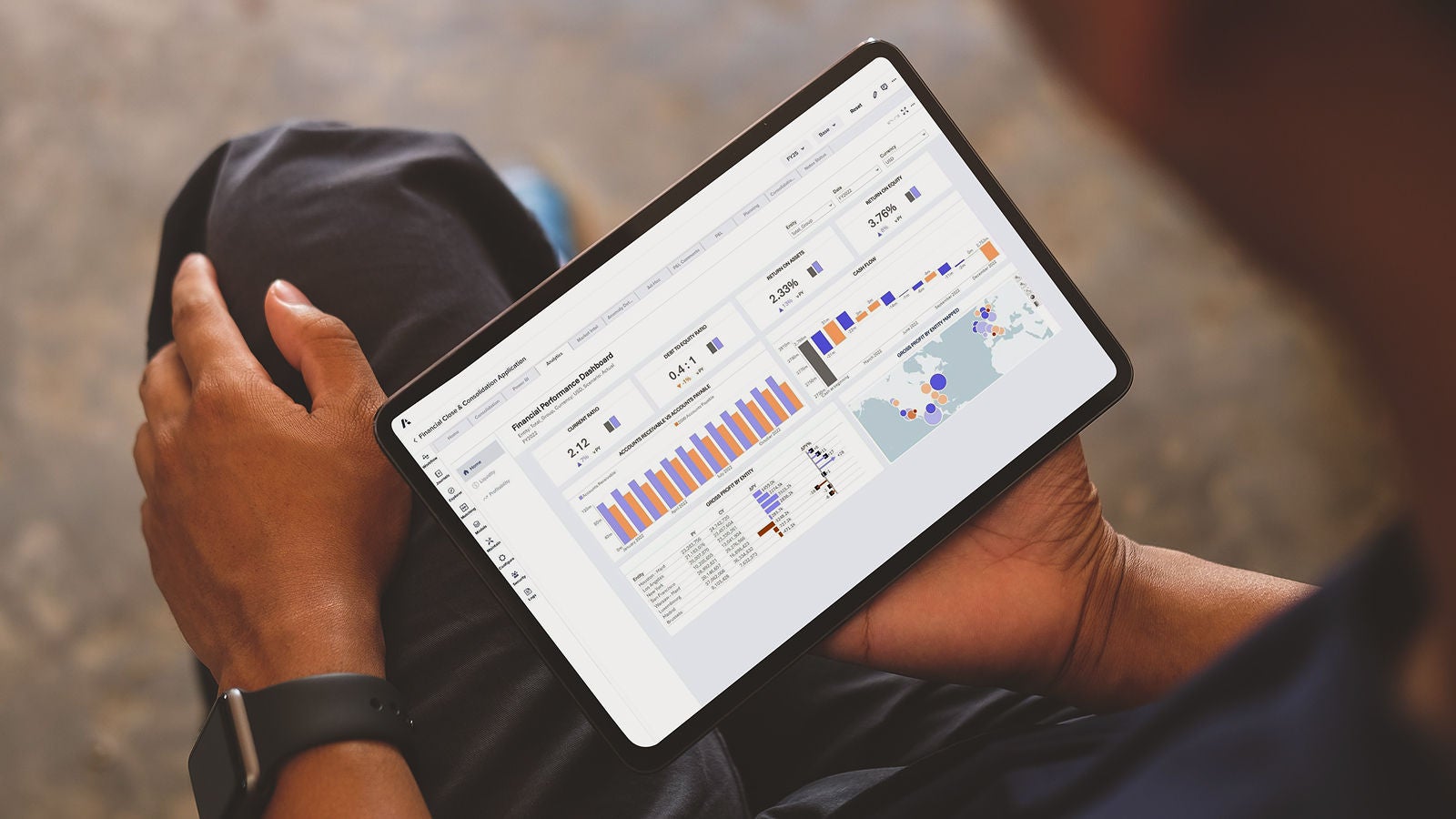
With the Anaplan Integrated Financial Planning application, finance teams can connect their planning, budgeting, and forecasting across revenue, operating and capital expenses, workforce planning, and more. The application gives your FP&A team a unified view of current financial health and projected performance, with AI-driven insights and scenario modeling and analysis that supports faster, more confident decision-making.
For technology investments, that means finance can ask sharper questions such as:
- Does this investment improve forecasted productivity?
- How does consumption-based pricing affect our operating plan?
- What happens if adoption scales faster than expected?
- Which projects should receive funding now, later, or not at all?
When finance can model these trade-offs in real time, IT spend becomes easier to evaluate, defend, and adjust as your business conditions change.
Connecting your workforce strategy to your technology vision
For operations, HR, and workforce planning leaders, rapid technology adoption creates a different kind of pressure. New tools can change how work gets done, which skills are needed, where capacity imbalances exist, and how quickly teams can adapt to change. An AI investment may look sound on paper, but if your organization lacks the right roles, skills, or enablement capacity, the expected return can stall.
With the Anaplan Operational Workforce Planning application, workforce planning leaders connect jobs, positions, requisitions, workforce trends, and costs in a secure, real-time view. Your team can forecast filled, open, and planned positions; coordinate hiring plans, promotions, transfers, and departures; and use skills data to match workers with current or future roles.
That means your team can use scenario modeling and AI recommendations to answer questions like:
- What workforce tradeoffs should leaders understand while deciding on a new technology investment?
- Which team requires more capacity to support adoption?
- Where do we have skill gaps that could slow implementation?
- How will hiring timelines, role changes, or location shifts affect our delivery and adoption timeline?
With full visibility into workforce costs, capacity and skills, leaders can help the business turn technology strategy into an executable talent plan.
Enterprise-wide planning ecosystem
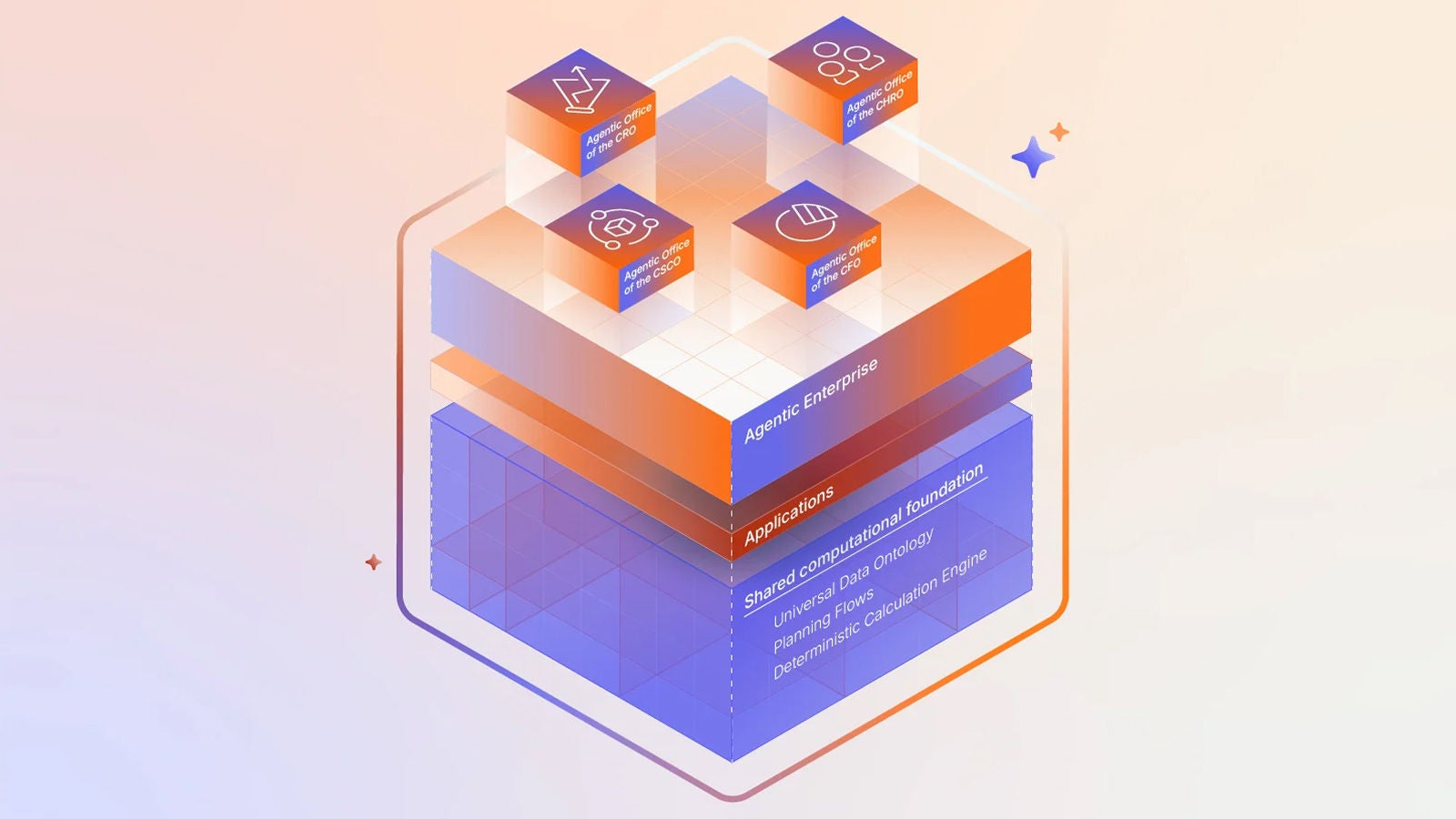
Because every technology investment triggers a cascade of organizational impacts — such as new enterprise architecture altering workforce requirements, or cloud shifts influencing capital allocation — true alignment requires looking beyond isolated software contracts. Technology spend is no longer just an IT line item. Finance, workforce, and IT teams need a shared view of cost, capacity, and business impact before decisions are made.
Anaplan bridges these critical gaps. Through our integrated applications for financial planning and analysis, operational workforce planning, and software spend optimization, your finance, HR, and IT departments can finally collaborate within a shared environment on single, AI-driven platform. Your organization can seamlessly test the downstream impacts of consumption models and workforce shifts before capital is committed. Unifying these processes on a single platform enabled Avanade to achieve a 10-20% greater financial forecast accuracy, a 20% improvement in FP&A productivity, and a 20% reduction in planning cycle times.
“Avanade is a global company, and we need to be consistent. We have one source of truth in Anaplan, and I don’t have to worry about one team or another working with different data.”
— Sonia Webb, former CFO, Avanade
Built on the market’s most powerful planning platform built with AI at the core, Anaplan allows your cross-functional teams to automate complex scenario modeling and uncover predictive insights. By establishing a unified planning ecosystem, you can confidently fund innovation while mitigating hidden costs across your organization.