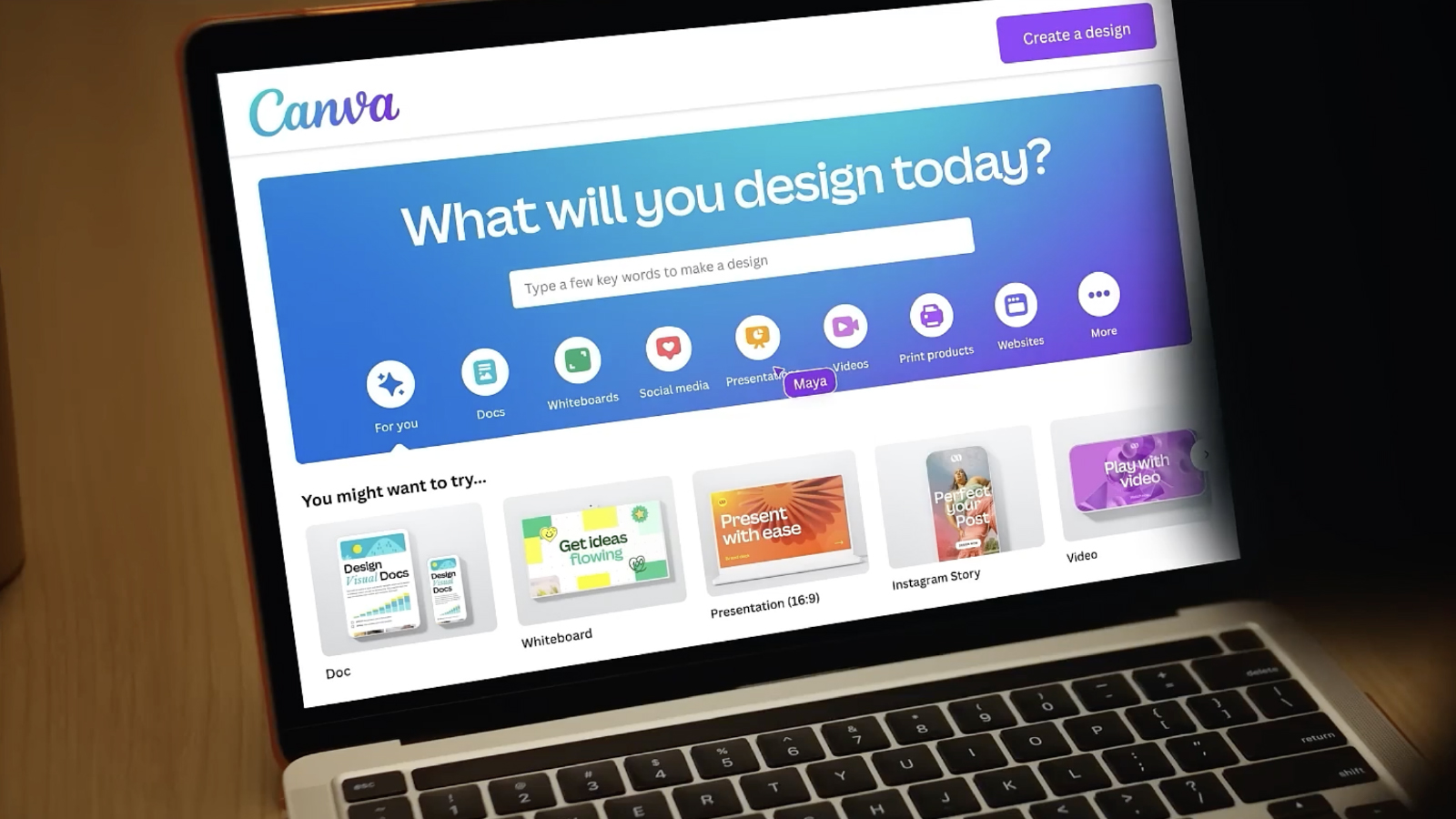
Canva’s mission is to empower the world to design. Since its launch in 2013, Canva’s online design and publishing tool has attracted more than 260 million monthly active users who have created more than 40 billion designs.
Growth at that scale would overwhelm many finance departments, but Canva’s finance team has been laser-focused: “One of the biggest challenges we face is navigating Canva’s rapid growth, while building a generational finance team that can scale with the business,” says Florence Timso, Canva’s Head of FP&A Centre of Excellence. “Things move very quickly, whether it’s product launches, market shifts, or scaling decisions. Finance needs to deliver the data and insights leadership relies on to make confident, informed decisions that drive sustainable growth.”
But siloed processes and disconnected solutions often got in the way, and finance spent significant time each quarter on forecast submissions, reconciliations, and reviews. Legacy planning tools weren’t flexible enough to meet changing business requirements, leading to low trust and adoption. Key calculations were buried in spreadsheets, making it difficult to identify errors or discrepancies. Work-life balance suffered.
Building models and internal champions
To tackle these challenges, the Canva team turned to the Anaplan platform. “We chose Anaplan both for its flexibility and its adequate security and controls,” Timso says. Canva’s Anaplan journey started with a reporting model that consolidated inputs from various teams throughout the company. “It was intentionally very simple and intuitive, which led to strong adoption early on,” Timso recalls. From there, the team expanded into more complex builds, covering headcount and personnel expense forecasting, revenue forecasting, OpEx forecasting, and cost of revenue forecasting.
The Canva FP&A team was engaged in the build from the outset. “They became internal champions of Anaplan,” Timso recalls. “And they saw firsthand how easy it was to systemize a previously offline model, and the efficiency gains that were possible.”
Today, Canva’s financial, transactional, and billing data flow from Netsuite into Anaplan via a central data warehouse, while Workato helps to integrate and transform NetSuite master data into a format that works with the Anaplan models.
Building on this foundation, the Canva team is developing a hosting cost model in Anaplan to help the company better manage its gross margin. “Our goal is to continue evolving our financial processes with Anaplan, so that everything is connected, driver-based, and we never have to use spreadsheets again,” Timso says.
Improved accuracy drives continuous improvement
The Canva team quickly saw headcount forecast accuracy leap with the new solution. Pre-Anaplan, the headcount forecast variance against budget sat at roughly 10%. “Since implementing Anaplan, we’ve been able to bring that down to 1.5% within just a few quarters,” Timso says. “This is important and valuable to our business, as forecast accuracy is one of our key goals in finance.”
Increased accuracy is just one element of a continuous improvement mindset enabled by the Anaplan platform. With consistent and transparent calculations, the finance team can easily spot which assumptions or inputs needs evolving. “At each month end, we take learnings from our budget variance analysis and translate them into enhancements to our Anaplan models.” Timso explains. “Anaplan’s flexibility allows us to deploy these changes quickly to adapt to changing needs.”
A happier finance department is an outcome from this new way of working. “We have transformed the FP&A function in such a short amount of time,” Timso says. “With Anaplan we’ve streamlined forecasting, improved our ability to meet tight deadlines, and improved the day-to-day experience of our team.”
On a corporate level, the benefits Canva sees with Anaplan come from the ability to provide leadership with the information they need. “In a fast-paced company like Canva, decision support is critical to our founders and senior leadership,” Timso explains. “Anaplan allows us to connect data from lots of different sources so that we can consolidate that in a way that management can digest and help support them in making the decisions that they need to in real time.”