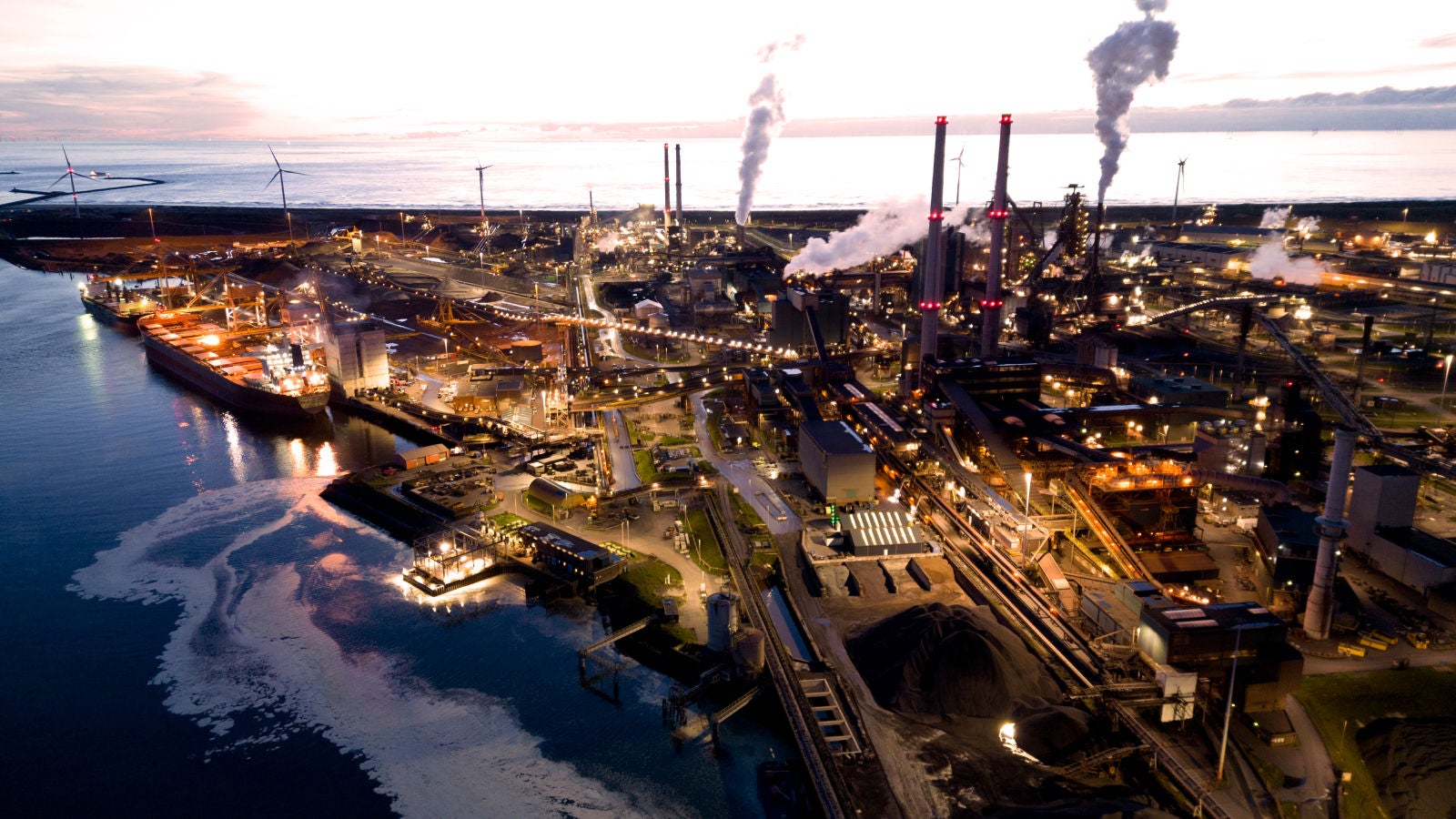
Tata steel factory

Tata Steel Nederland fuses planning for strength and flexibility

Sales and Operations Planning (S&OP) delivers company-wide improvements and better margins for leading steelmaker

Contact us
  • Solutions

    Supply Chain,

    Sales & Marketing,

    Finance,

    Workforce

  • Industry

    Industrial Manufacturing

  • Platform capability

    Modeling & Scalability

Tata Steel Nederland makes nearly seven million tons of steel each year. Massive production means the company needs powerful and flexible sales and operations planning (S&OP) to succeed. Moving formerly siloed S&OP processes to Anaplan reduced low-value work, delivered insights that drive decision-making, unlocked operational improvements, and helped to improve margins. 


Anaplan really helped me to improve the quality of our S&OP process. Higher quality S&OP outcomes lead to higher margins for the company in the long run.
Thijs van Dongen, Head of Business Planning, Tata Steel Nederland

Integrated

supply chain planning removes cumbersome, repetitive work

Optimized

S&OP requires less effort, delivers better insights, and improves operations

Improved

profit margins due to better S&OP outcomes


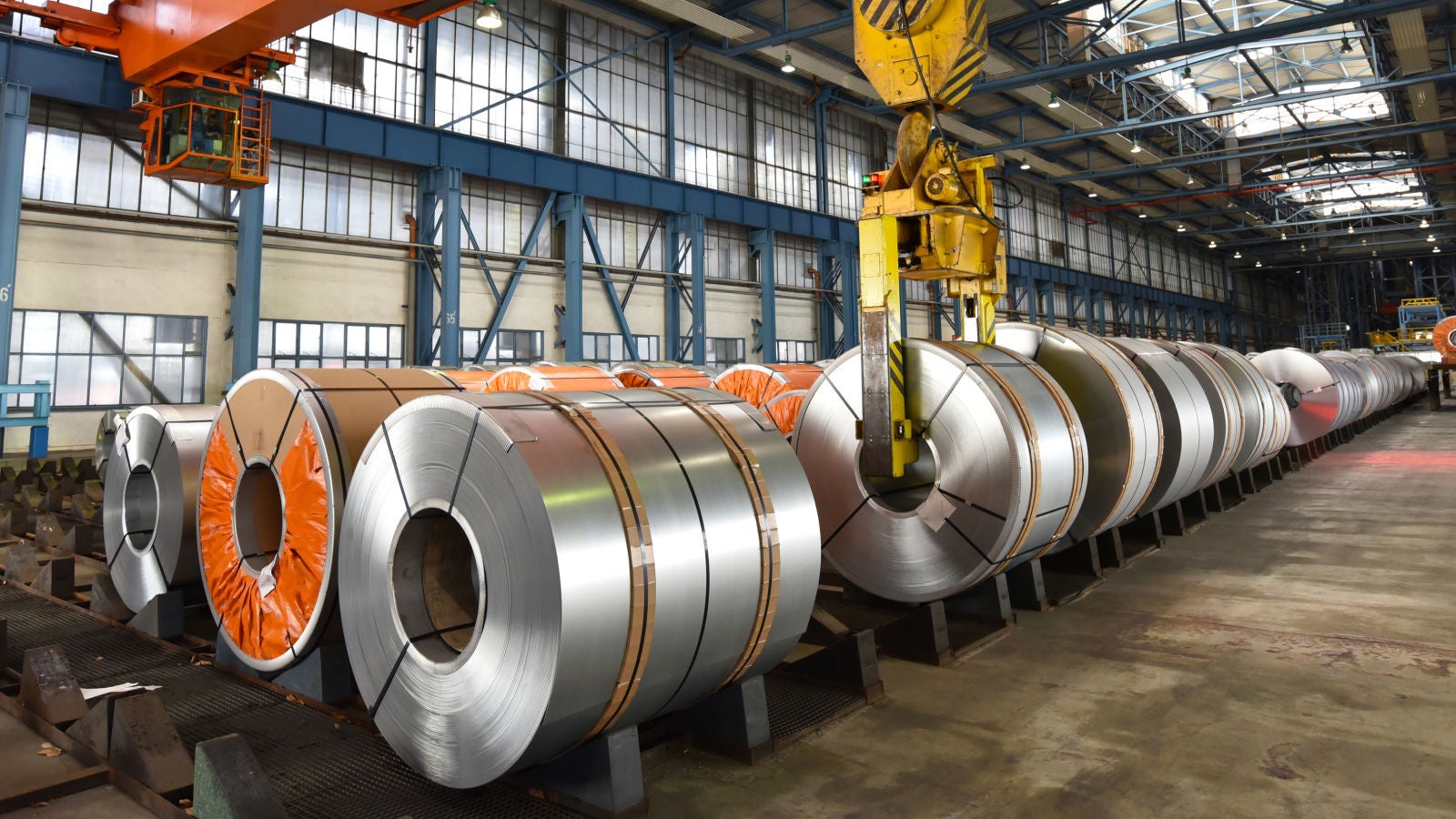
Steel can have great strength, flexibility, and other qualities because it’s an alloy. Tata Steel Nederland produces nearly seven million tons of steel annually, so the company is skilled at alloying specific elements to create a superior product. Not surprisingly, the planning team at Tata Steel is skilled at bringing together — alloying, if you will — data and teams to create superior sales and operations planning (S&OP).

This strength and flexibility has developed over time. “We were simply not able to make the best-quality plans because we spent too much time bringing data together,” recalls Thijs van Dongen, Head of Business Planning at Tata Steel Nederland, of his team several years ago. Critical processes were handled in silos, and teams were bogged down by manual data consolidation that didn’t move the business forward.
They spend less effort in executing the process, and have also better insights. And that can trigger also new process improvements in the company.
Ruud Dubbers, Anaplan Center of Excellence Lead, Tata Steel Nederland

Building stronger together

Tata Steel Nederland addressed these challenges with Anaplan starting in 2016. “Anaplan enabled us to integrate all the S&OP-related models, which were formerly done in different teams, onto one platform where we work in a very efficient and integrated way,” van Dongen says. In the years that followed, the team expanded the Anaplan footprint into sales and marketing, finance, and workforce planning based on that integrated vision.

While the company’s Anaplan use cases are familiar across industries, certain elements are configured for steelmaking. Two examples: Maintenance planning in Anaplan tracks periodic factory downtime so critical work can be scheduled around it, and a hedging model reduces risk in iron-ore purchasing.

Structure plus flexibility

From van Dongen’s vantage point, the greatest benefits from Anaplan come from increased supply chain collaboration, visibility, and connection. Aligned demand, supply, and financial plans help leaders make smarter, more strategic decisions, and planning on a single platform across teams has made it easier for planners to cover more of the business. “We’re able to integrate more planning processes and really take out cumbersome, repetitive work everywhere with the help of the Anaplan platform,” van Dongen explains.

This newfound efficiency has been a catalyst for other improvements, adds Ruud Dubbers, Anaplan Center of Excellence Lead at Tata Steel Nederland. “They spend less effort in executing the process, and have also better insights,” he says. “And that can trigger also new process improvements in the company.”

The company has also seen financial benefits. “Anaplan really helped me to improve the quality of our S&OP process,” van Dongen explains. “Higher quality S&OP outcomes lead to higher margins for the company in the long run.” 

In a way, S&OP on Anaplan is like the high-quality products made by Tata Steel Nederland: strong and versatile. “The Anaplan platform helps me to work within a certain structure,” Dubbers says. “My process is more structured without sacrificing flexibility.”


alt
alt

Ruud Dubbers, Tata Steel Nederland: Tata Steel Nederland is one of Europe’s leading companies as a steel producer.

Thijs van Dongen, Tata Steel Nederland: Which mainly delivers steels into the automotive, construction, and the packaging market. 

Ruud: We have implemented Anaplan in a very wide range of functional areas — sales and marketing, business planning, and supply chain, as well as finance and HR. Before Anaplan, planning was quite fragmented, manual, error prone.

Thijs: It was a lot more cumbersome to bring everything together. You’re simply not able to make the same quality plans. 

Ruud: And with Anaplan, it’s much more connected. It’s one version of the truth. It connects people, insights, and data all in one platform. 

Thijs van Dongen: Anaplan had a very positive effect on collaboration to really get inputs company-wide, but also within the planning teams. So moving to one joint planning ecosystem really helped collaboration within the teams that led to serious efficiency improvements. 

We’re able to integrate more planning processes and really take out cumbersome, repetitive work with the help of the Anaplan platform 

Ruud: They spend less effort in executing the process, have also better insights, and that can trigger also new process improvements in the company.

Thijs: Anaplan really helped me to improve the quality of our S&OP process. And higher-quality S&OP outcomes lead to higher margins for the company in the long run. 

Ruud: My name is Ruud Dubbers. I’m the Anaplan Center of Excellence Lead at Tata Steel Nederland.

Thijs: I am Thijs van Dongen, Head of Business Planning at Tata Steel Nederland.  

Both: And we plan with Anaplan.